In 2024, 92% of the hotel’s waste stayed out of landfill
Rain is collected, kitchen peel becomes compost, and the cocoa around us grows in the shade of the forest.
The waste plan
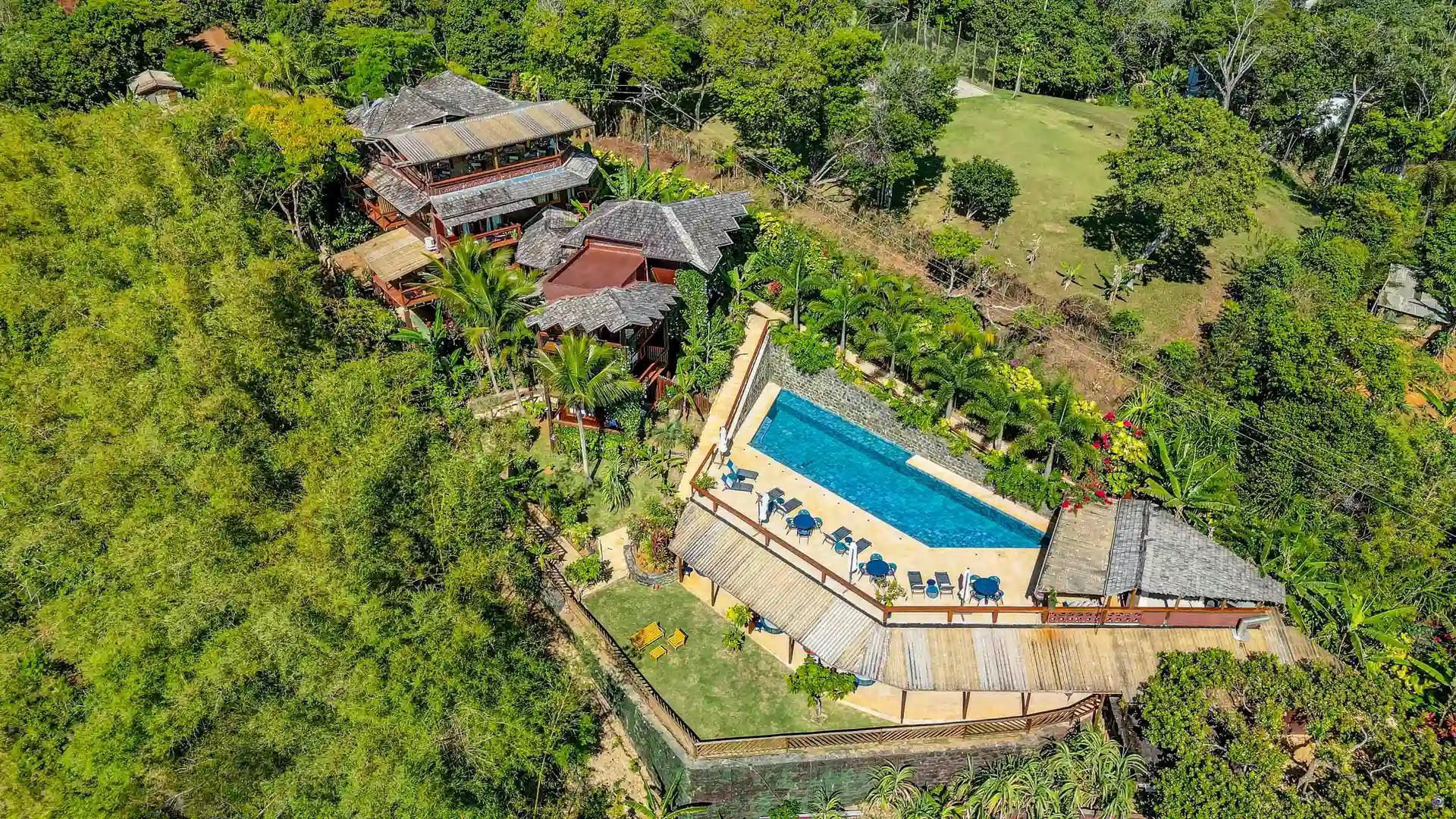
In December 2023, the hotel brought in Tellus ESG Soluções Ambientais to put in place its Solid Waste Management Plan, the PGRS. The summer season multiplies the waste of a small village, and the plan follows the new requirements of the town of Itacaré.
On 27 August 2024, Tellus measured and certified that result. The certificate hangs in the hotel.
The plan covers the whole hotel, from the kitchen to reception, in five stages. In the suites, sorting starts inside the room.
- 1
Diagnosis
A waste audit by weight, sorted by type. A survey of the structure and the routine, and of who on the team handles each kind of waste.
- 2
Objective
A new layout for storing waste, the route each type takes out of the property and a training plan for the team.
- 3
Execution
Redesigned bins, staff training and a destination, or a buyer, for each material.
- 4
Follow-up
Plan reviews and ongoing training, because the team changes from one season to the next.
- 5
Certification
A report and an external audit, which close the cycle.
What goes where
The hotel’s bins sort waste three ways. If in doubt, this is the list.
-
Recyclables
Glass, paper, cans and disposable plastic: PET bottles, cups, packaging.
-
Organic
Fruit peel, food scraps, napkins, wooden toothpicks, eggshells, coffee grounds and garden cuttings. They go to the compost.
-
Landfill
Foil-lined paper, nappies, sanitary pads, toilet paper, stickers and polystyrene.
Rain and peel go back to the land
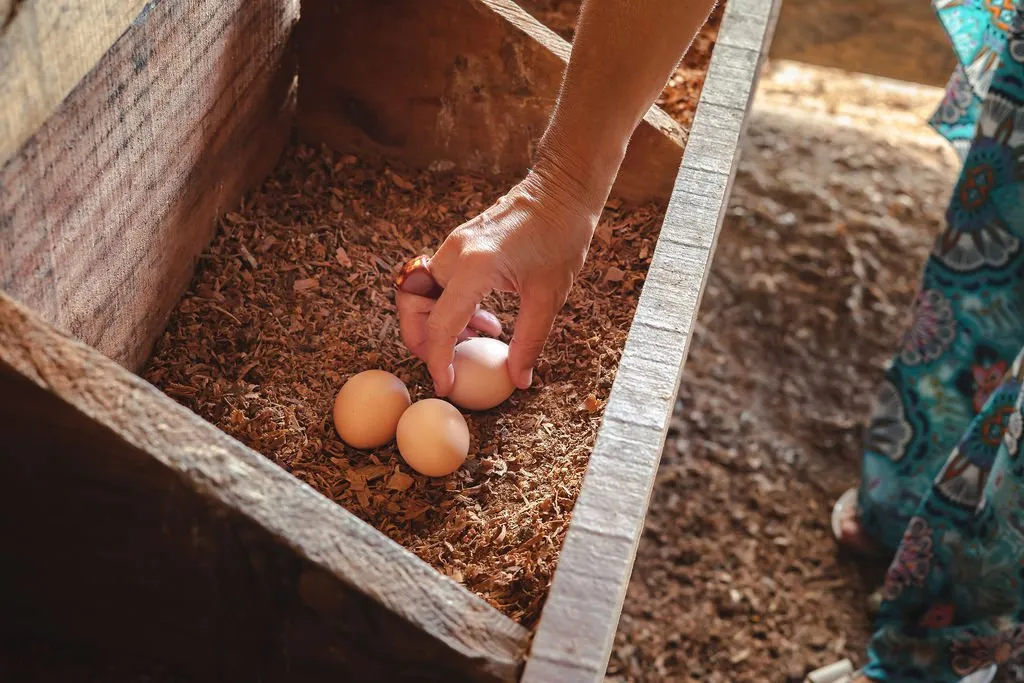
Rainwater fills the tanks and waters the garden. Kitchen peel goes to the compost, and the chickens’ manure goes into the soil in place of chemical fertiliser.
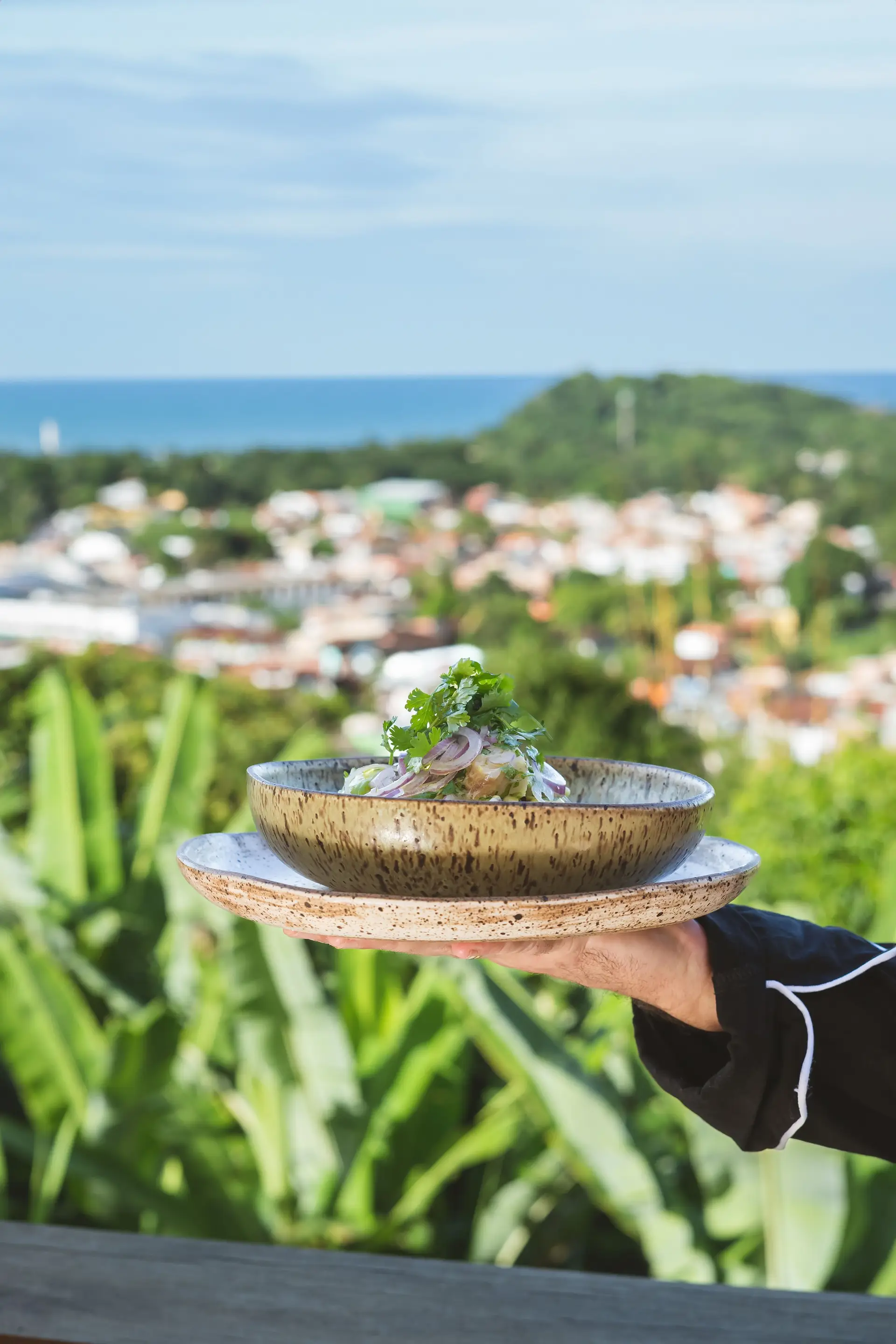
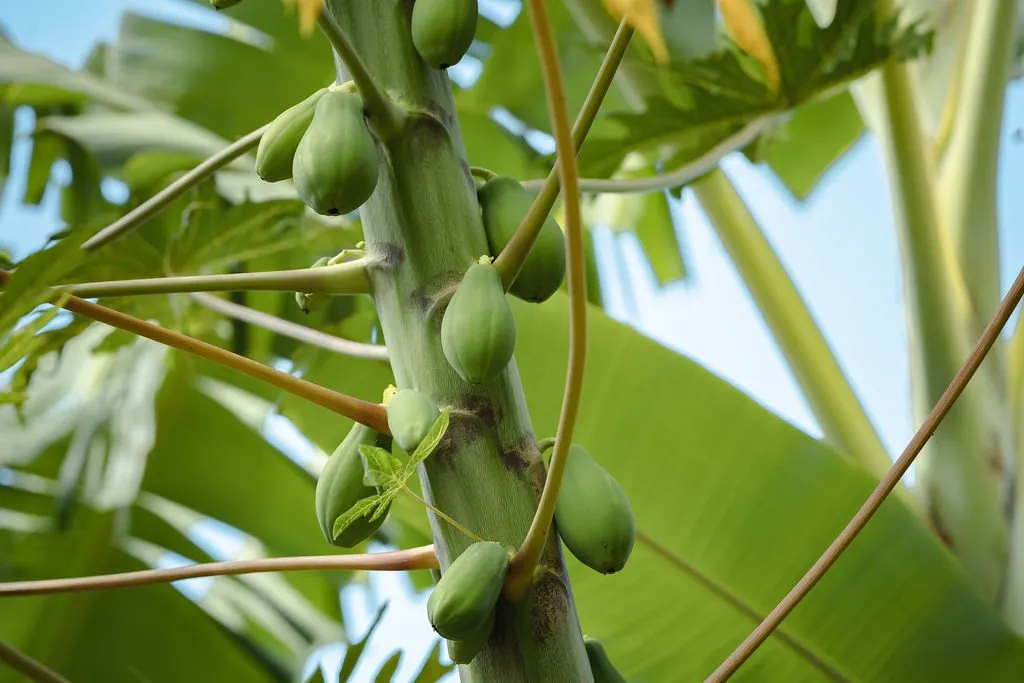
That soil feeds the kitchen garden and the orchard, down the hill. Part of what Nibs serves grows there, and the rest comes from local producers. The garden is open to guests.
Cocoa pays for the forest to stay standing
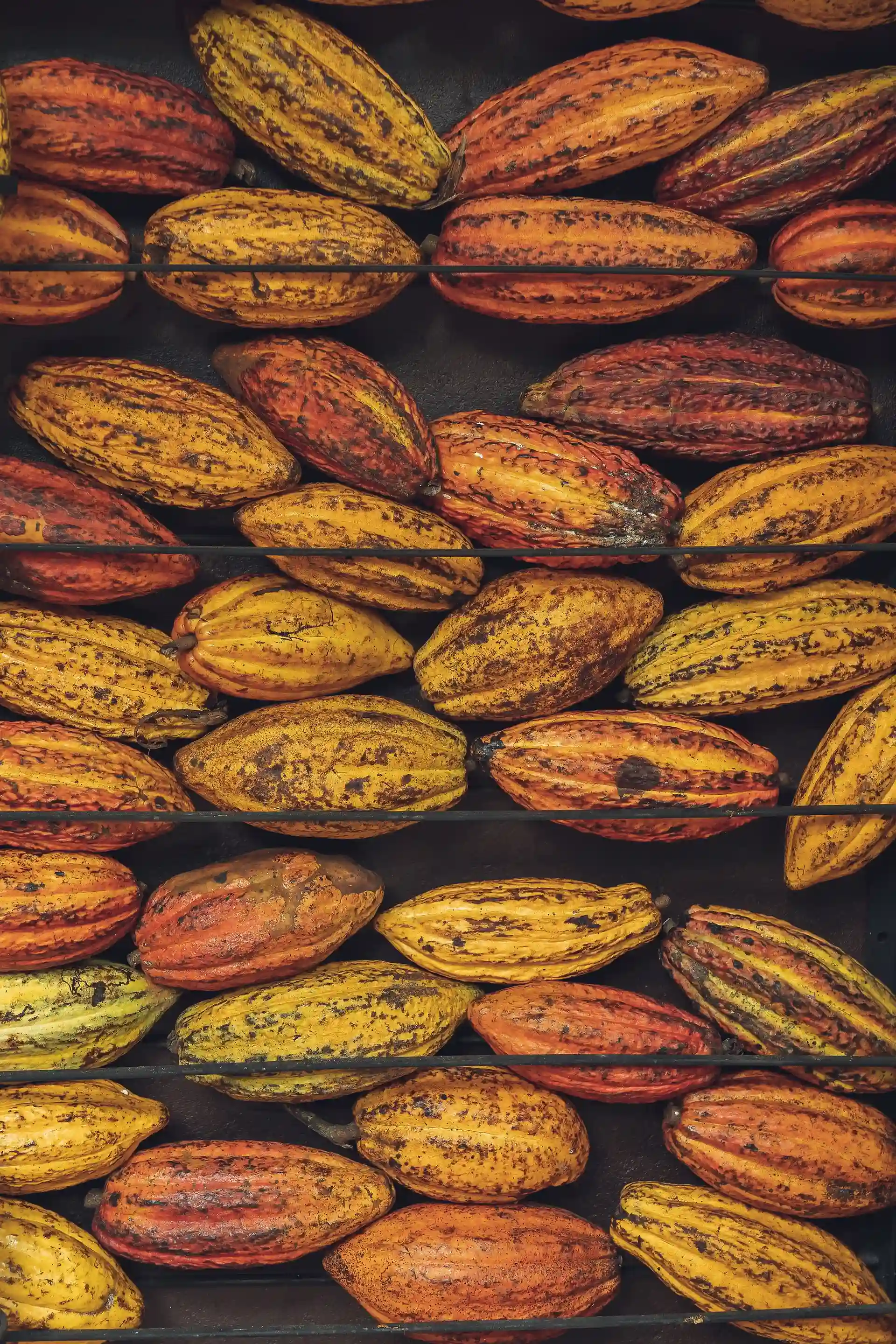
In the cabruca, the cocoa tree is planted beneath the trees that are already there. Whoever plants this way does not clear the land, because they need the shade.
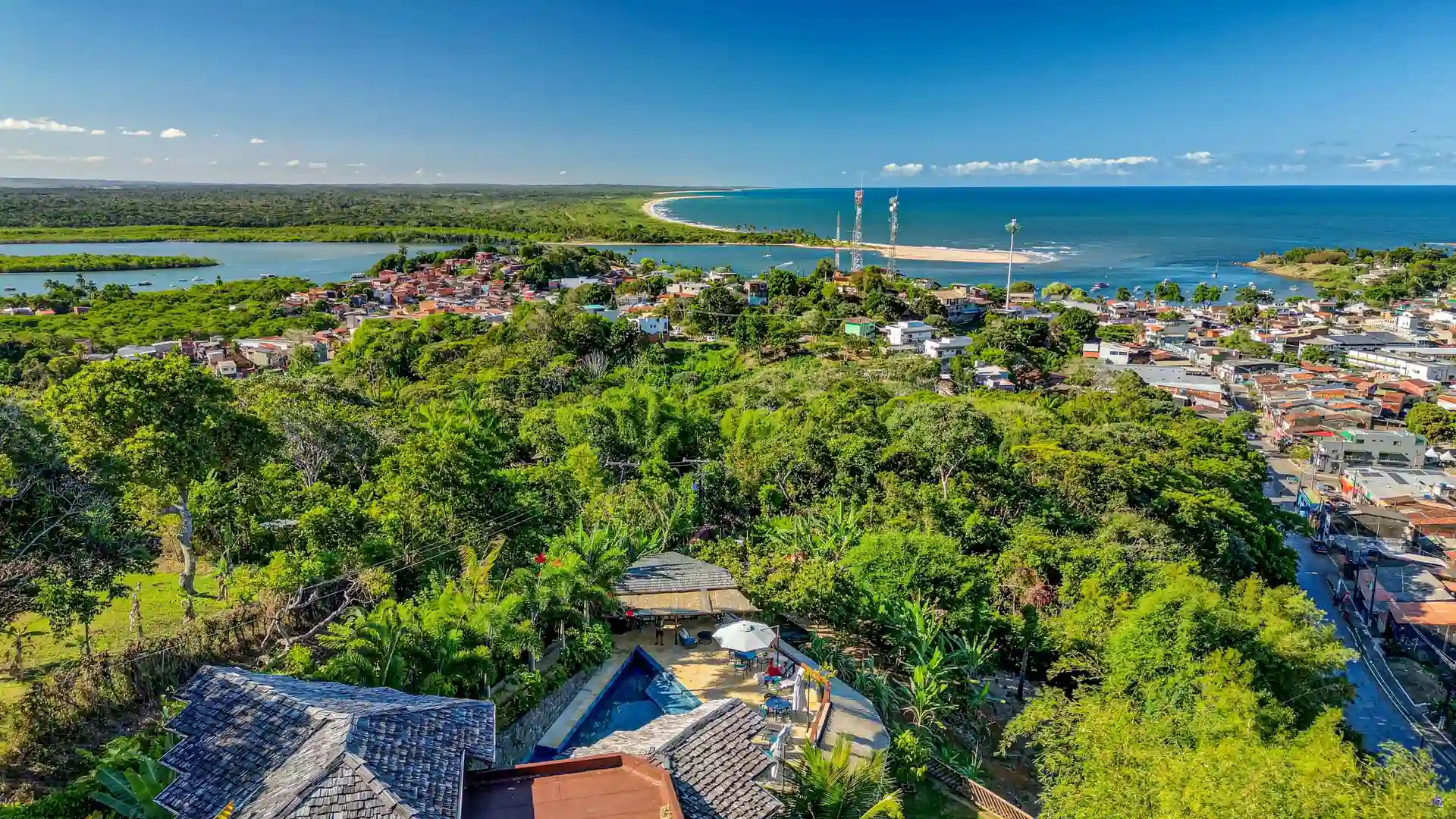
That is why there is still native forest on this stretch of coast. The forest you see from the balcony is the same one shading the cocoa around it.