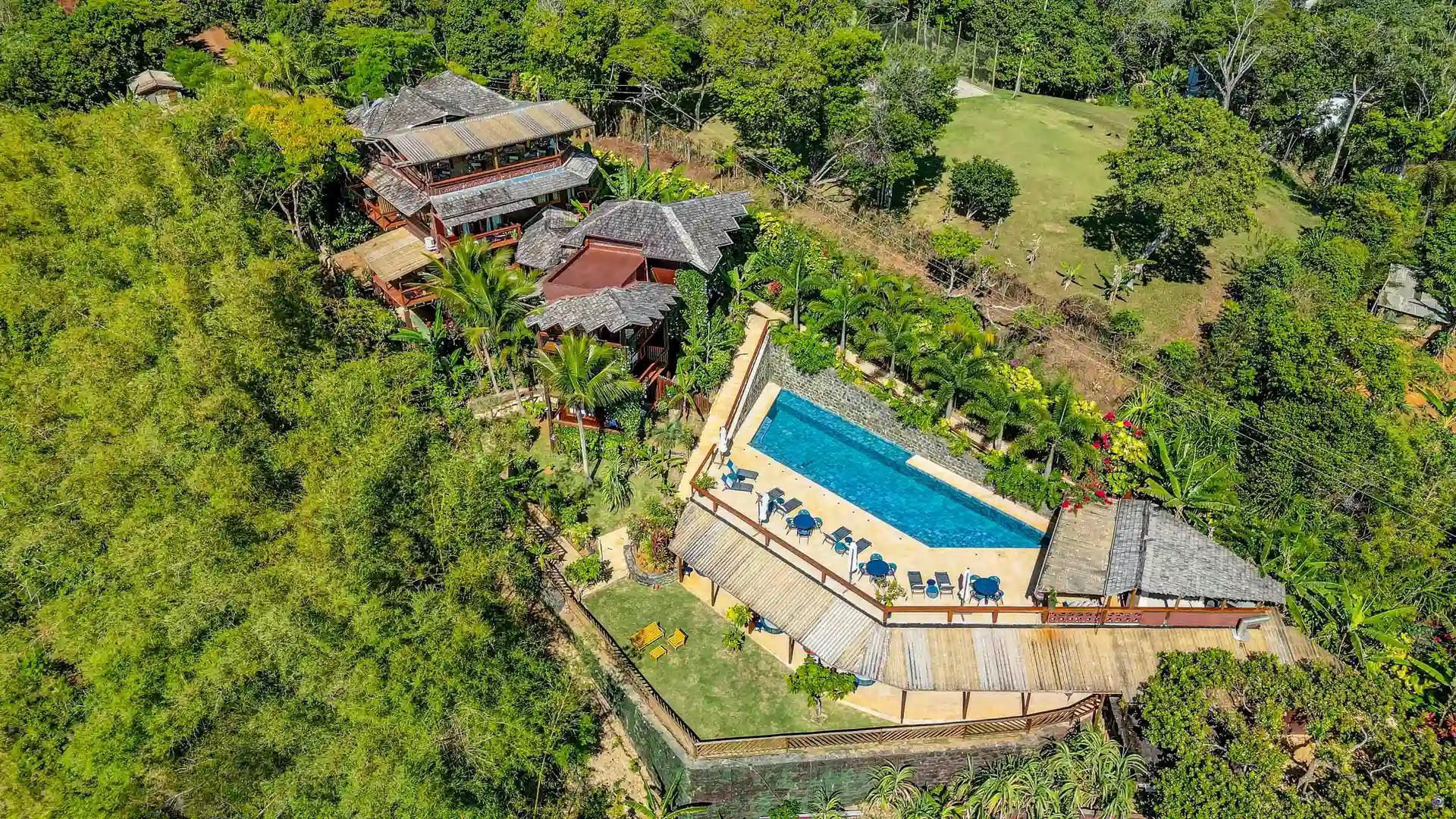
The cocoa port became a village. The farm became the hotel.
From here went out the cocoa of the farms Jorge Amado put into novels. Today, fine chocolate goes out, made from bean to bar by the people who grow it.
Itacaré was the port of the cocoa trade
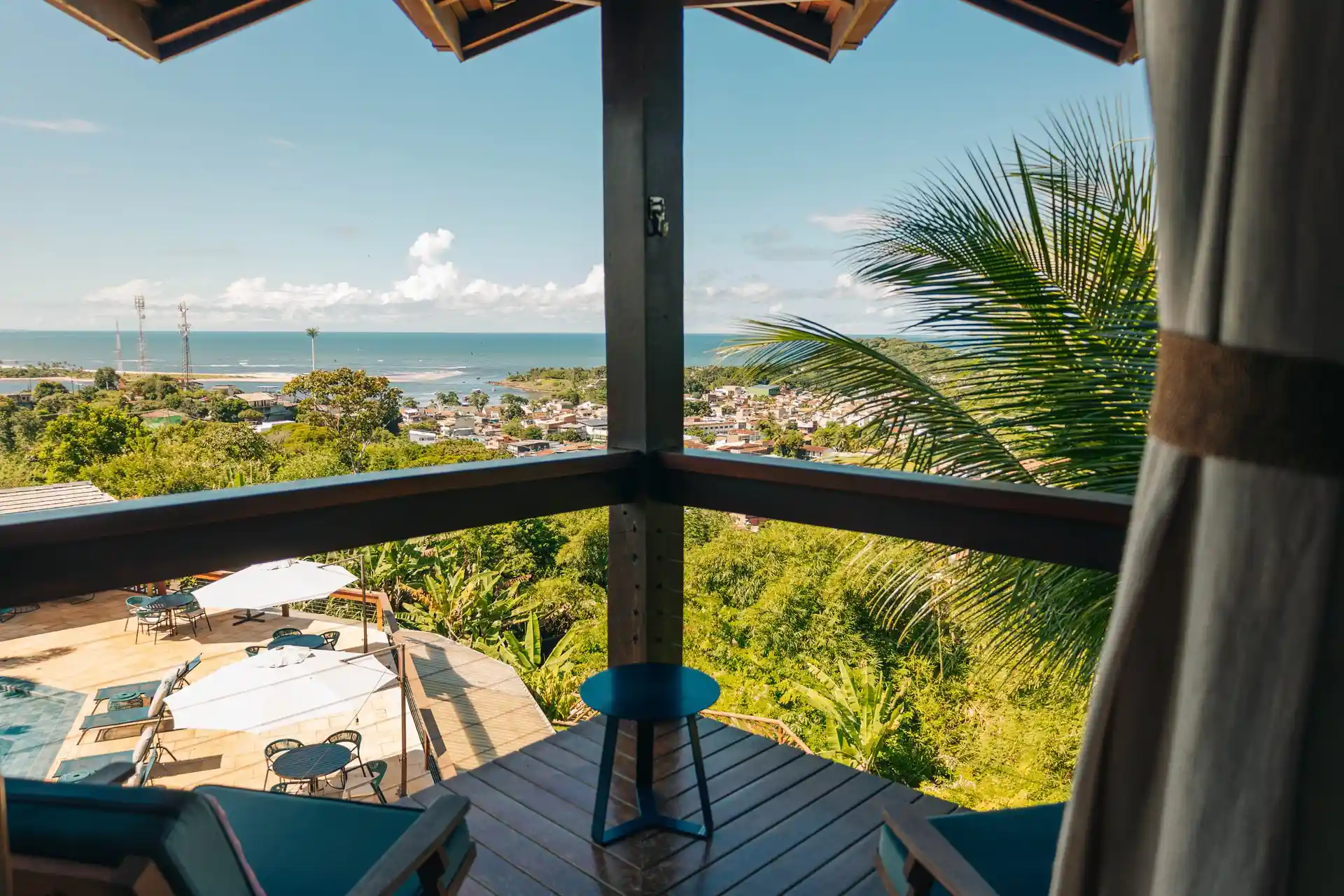
The farms along the Contas River floated their harvest down to the village. From here, smaller boats carried the sacks out to the ships anchored in the bay. At the top of the farm that occupied this part of the village stood the main house. It became the hotel.
It grows in the shade, and the forest stays
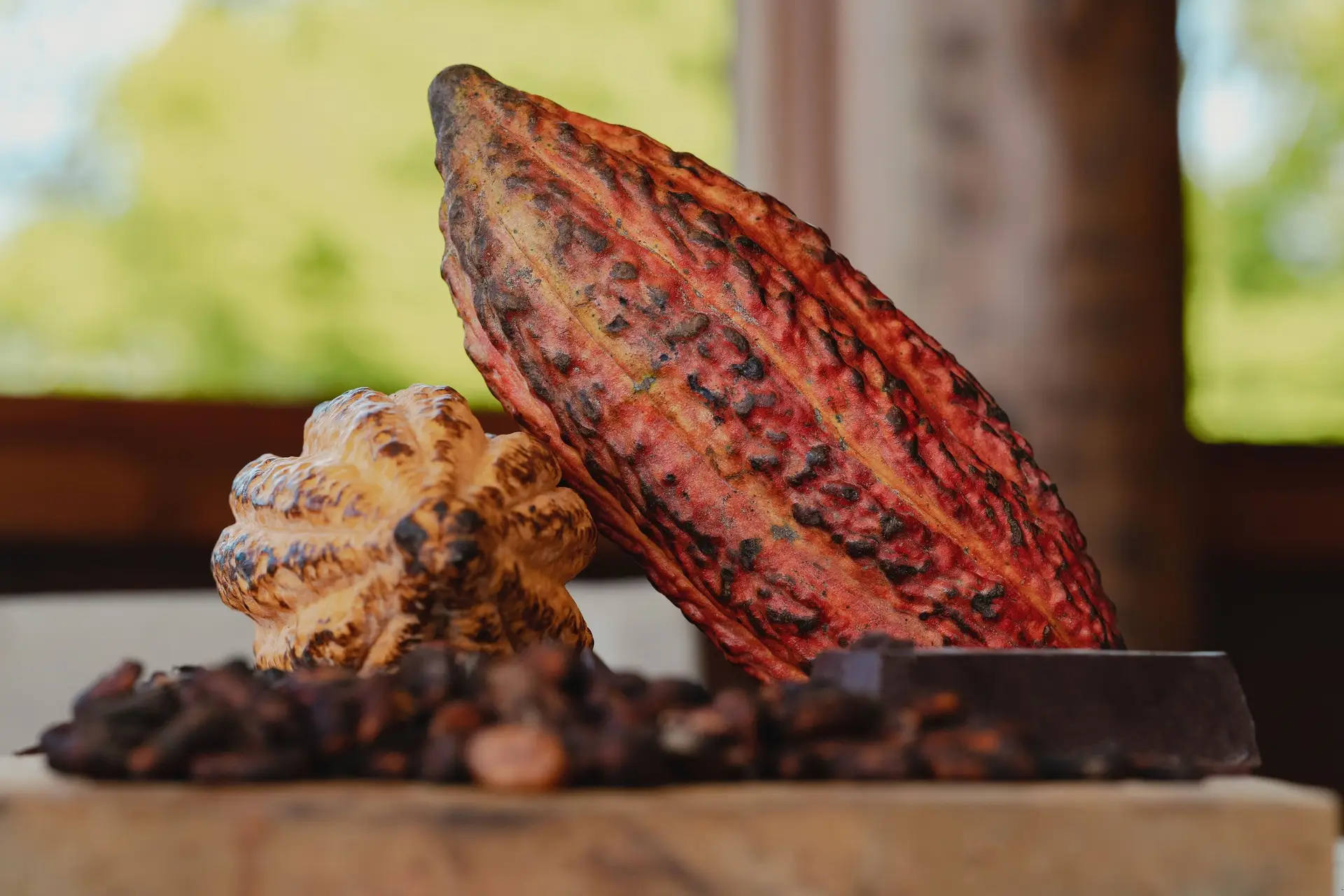
It is called cabruca: the cocoa tree planted under the trees already standing. The shade is the crop: clearing the forest would kill the cocoa. Of the original Atlantic Forest, 24% remains, according to SOS Mata Atlântica, and southern Bahia holds some of the largest blocks. The forest from the balcony is part of it.
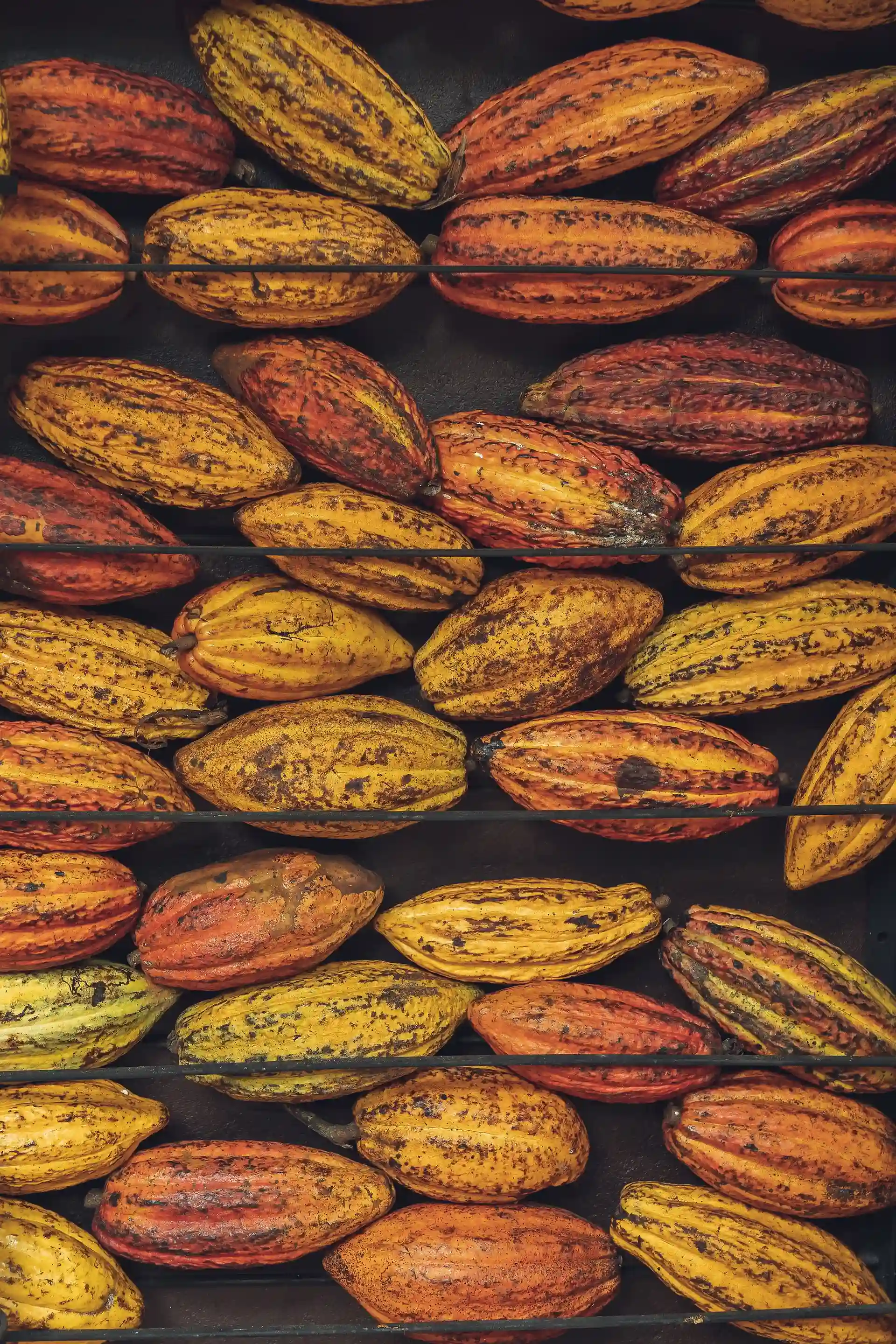
Bean-to-bar
From seed to bar, the flavour changes six times
Bean-to-bar: the same maker takes the cocoa from fruit to bar. The names of the house come from that path: the seed (semente), the roast (torra), the barn where the dried beans rest (tulha), the grand cru of the bar, and the nibs.
- 01
Harvest and fermentation
The pod opens, and the seeds ferment in wooden boxes for a few days. This is where the aroma begins.
- 02
Drying
In the sun, the seed becomes a bean.
- 03
Roasting
Heat opens the aroma: this is where it smells of chocolate.
- 04
Cracking and nibs
The roasted bean cracks into pieces. The nibs give the restaurant its name.
- 05
Conching
The paste turns for hours, sometimes days, until smooth.
- 06
The bar
Tempered and moulded, tasting of the farm it came from.
The pulp is citrusy. The bar comes later.
You walk the cabruca, watch the fermentation in the wooden boxes and taste the pulp, which is citrusy and nothing like the bar. Some farms make the chocolate on site. The visit is arranged at reception, with a local guide, because each farm keeps its own days.
Who makes fine chocolate next door
They are few, and they are close. Amma grew out of a family farm in Itacaré, with organic cocoa. Mendoá is from Ilhéus. Yrerê sits on the road between Ilhéus and Itabuna. The hotel shop stocks chocolate from this coast.
Where cocoa appears in the hotel
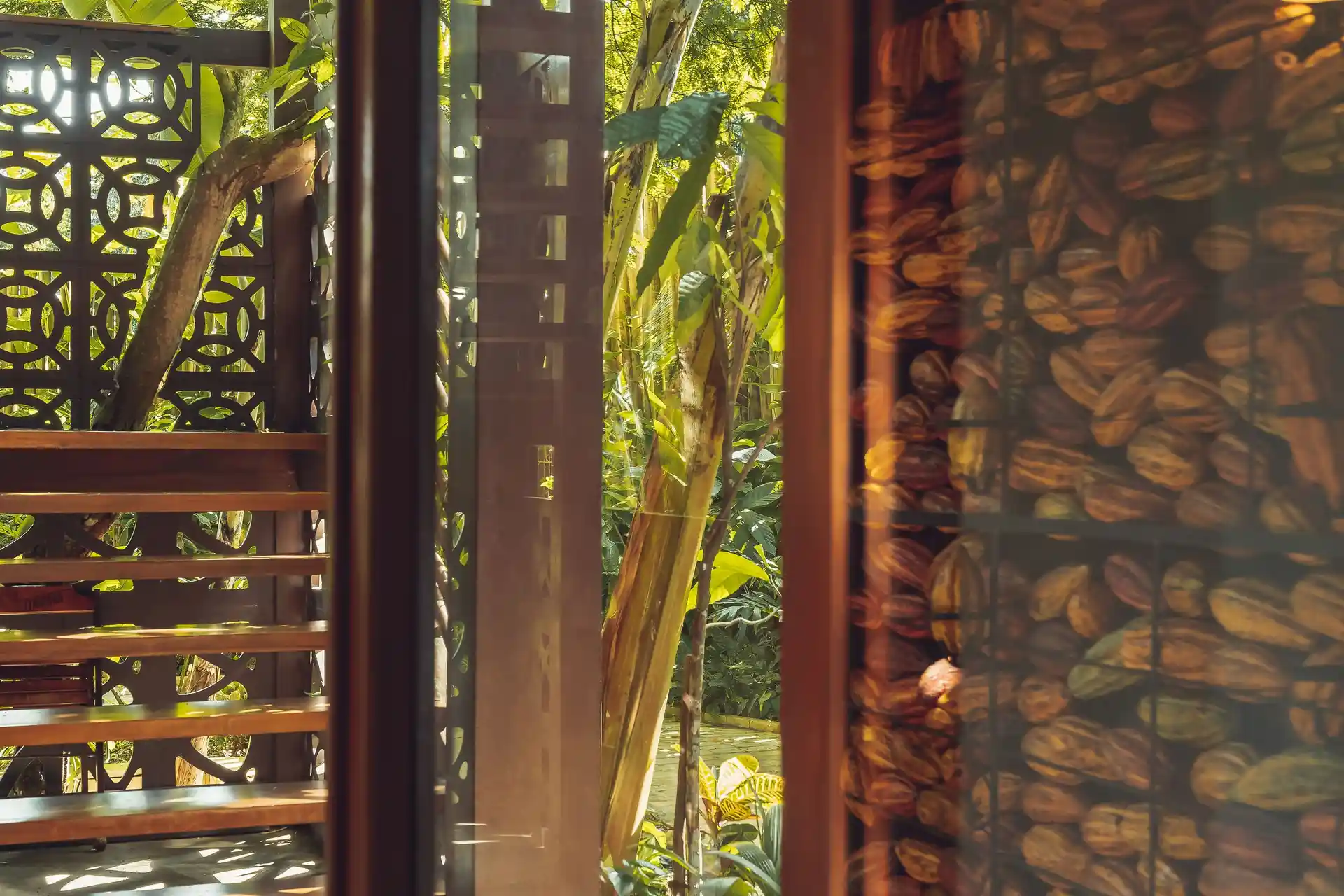
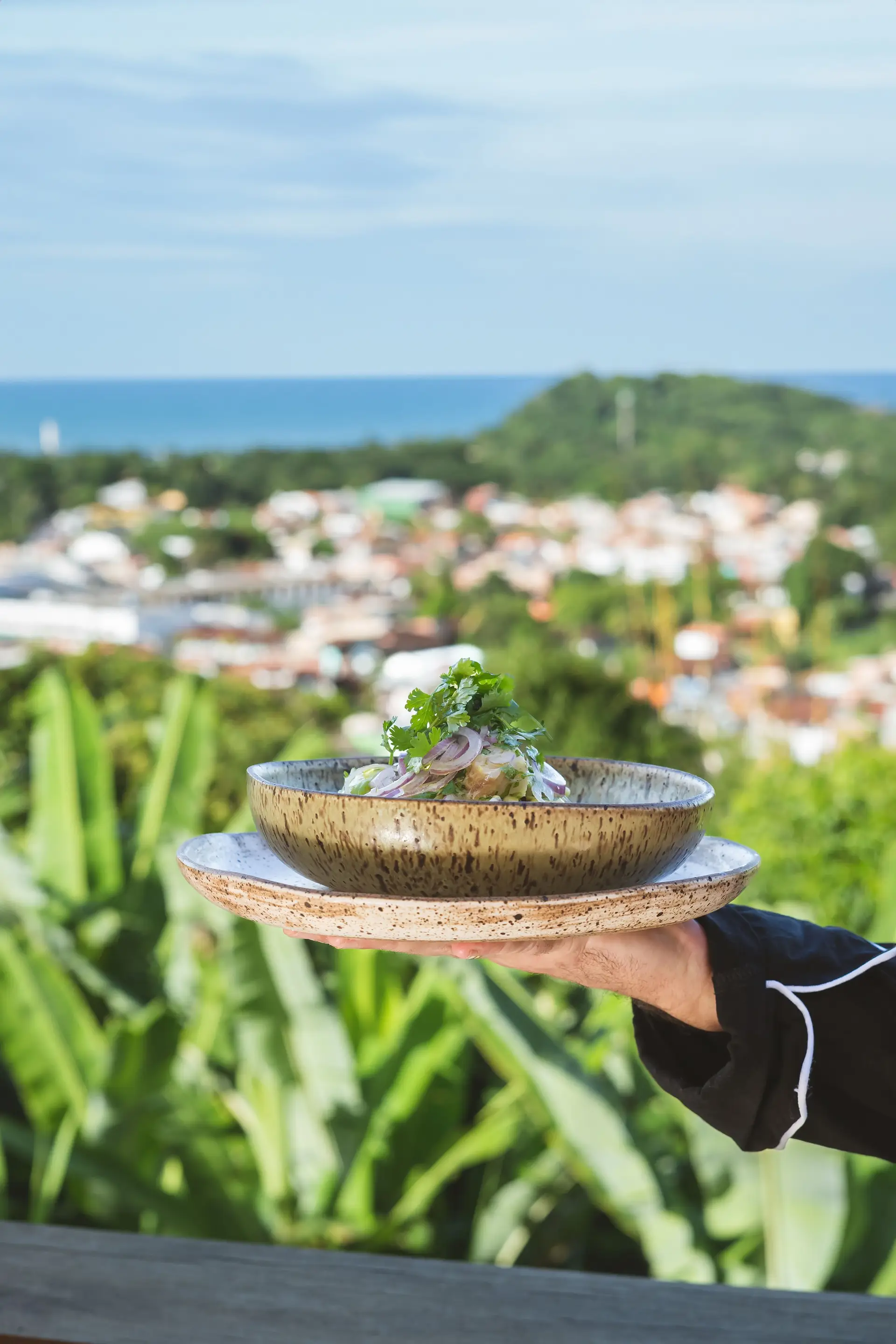
In the name and the suites. On arrival, in the cocoa liqueur with lemongrass and the chocolates from local producers. At breakfast, in the fruit and the roasted beans, and at night in a dessert at Nibs. The rest is forest, river and fruit.