Surfing Itacaré: five days, five breaks
If you came for the forecast
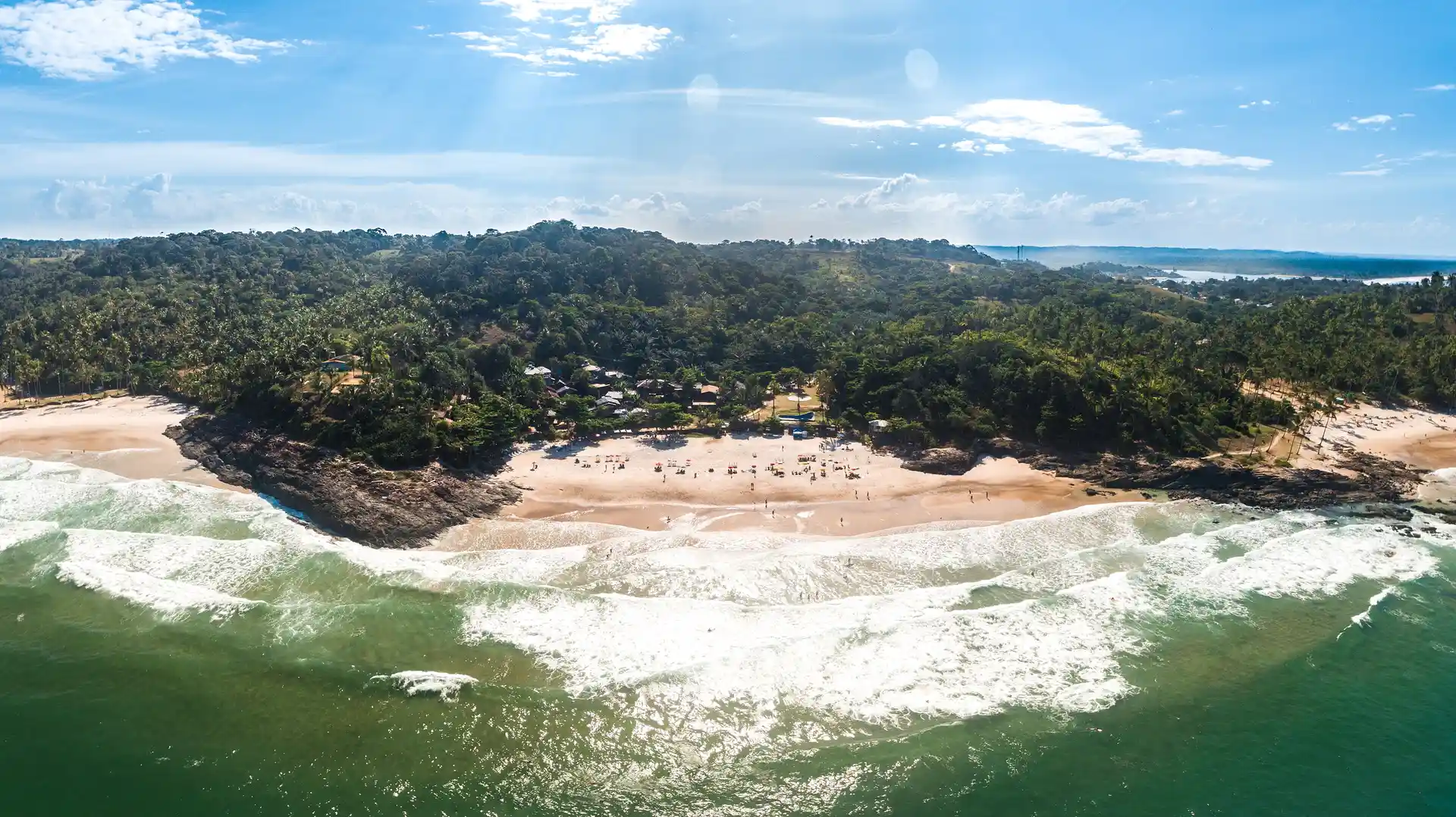
Itacaré grew because of surfing: the village had emptied after the cocoa crash when the first surfers arrived and stayed. What remains is a small town with eight breaks on a short stretch of coast, each asking for different conditions. The plan goes from one to the next in the order the week usually opens up.
- How many nights
- 5 to 8 nights
- When it works
- May to September
- What it asks of you
- A car, a board and a willingness to get up early
-
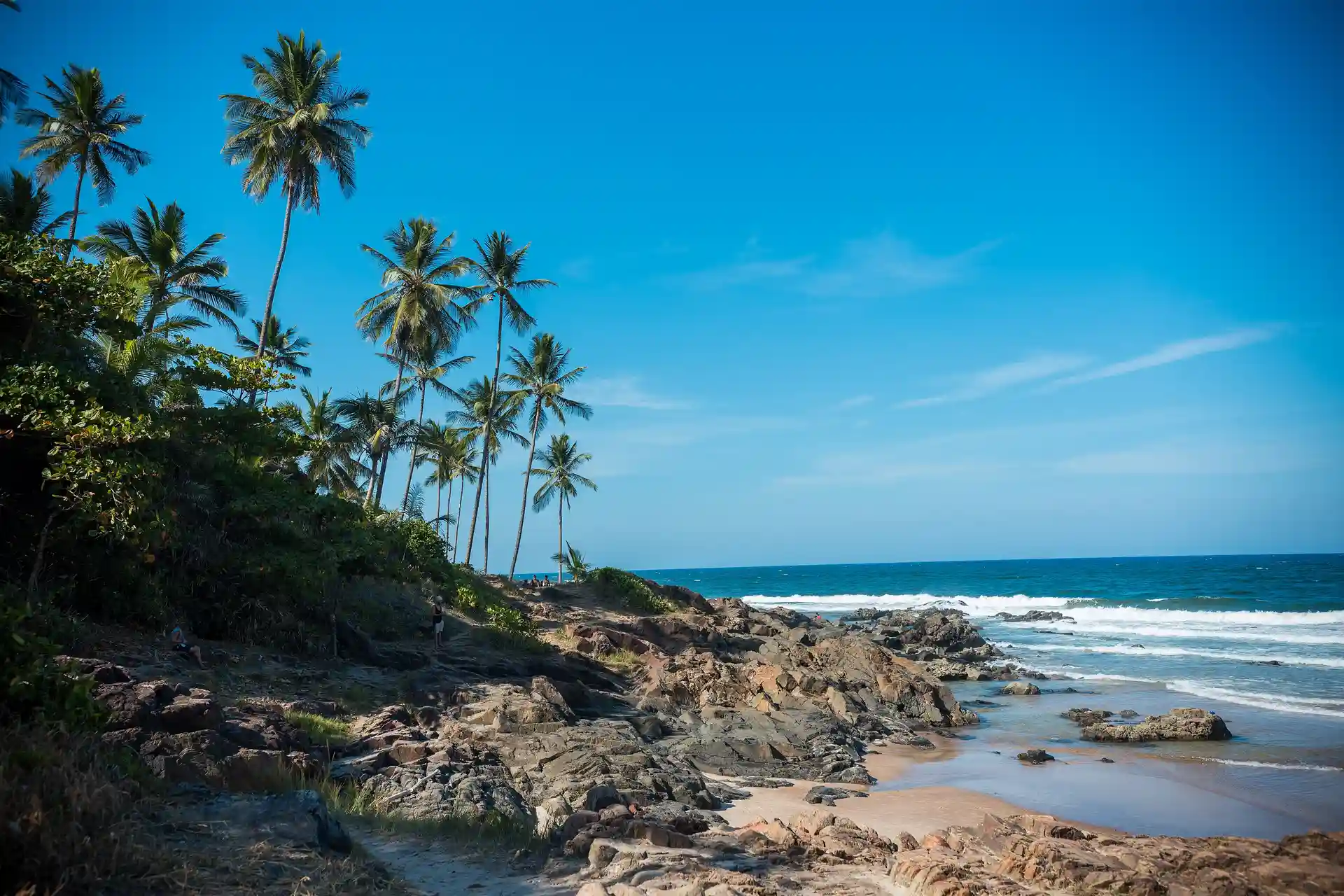
Photo: Márcio Filho/MTur. Day 1
Tiririca
Arrival and a first look. Tiririca works almost every day of the year, so it is the break you read the week by: fast, hollow, short rights and lefts, the hollower right on the Costa side and the longer left on the Resende side.
There are cross currents that push you towards the rocks on both sides, and it is the busiest break in the area. From the hotel, seven minutes by car.
-
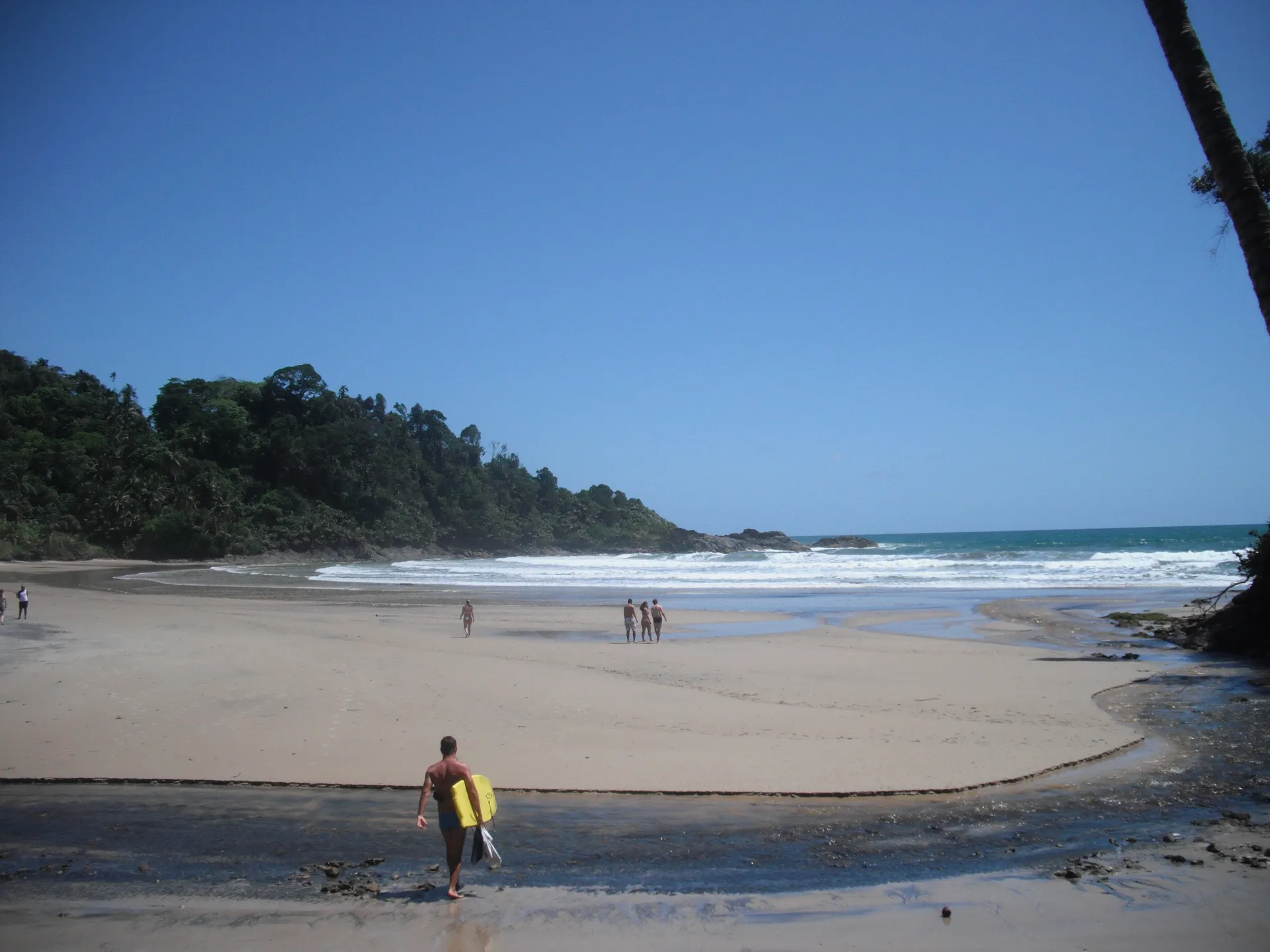
Photo: Teles. Day 2
Engenhoca
If the wind is north-easterly. The bay is sheltered from it, the channel on the left is easy and the wave is full and long, the local longboard spot. When the swell turns east and south-east, it gets bumpy.
The car stops on the BA-001 and it is about twenty minutes’ walk to the sand, board under your arm.
-
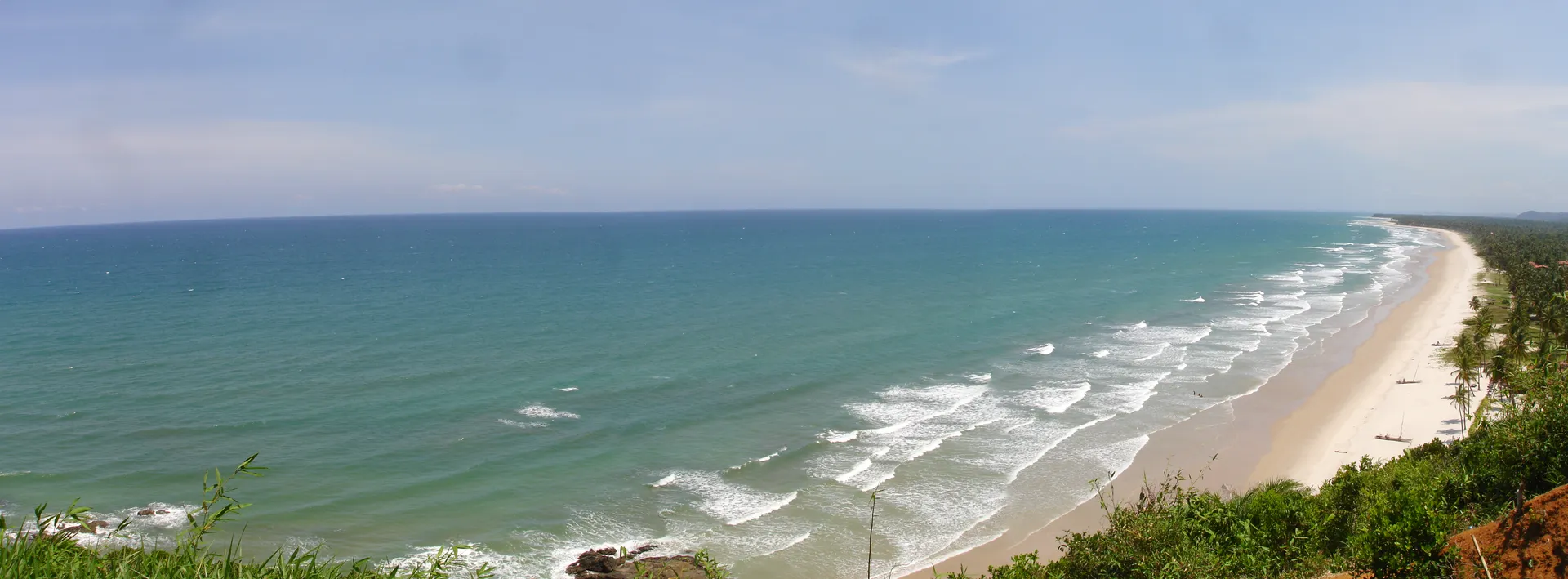
Photo: Lauro Sirgado, CC BY-SA 3.0. Day 3
Itacarezinho
Ten kilometres of open beach, with several sand-bottom peaks. South of the restaurant is Pedra Preta, the reef right, which is perfect in typical summer conditions. Best with no wind.
You can have lunch on the beach itself and be back in the water in the afternoon.
-
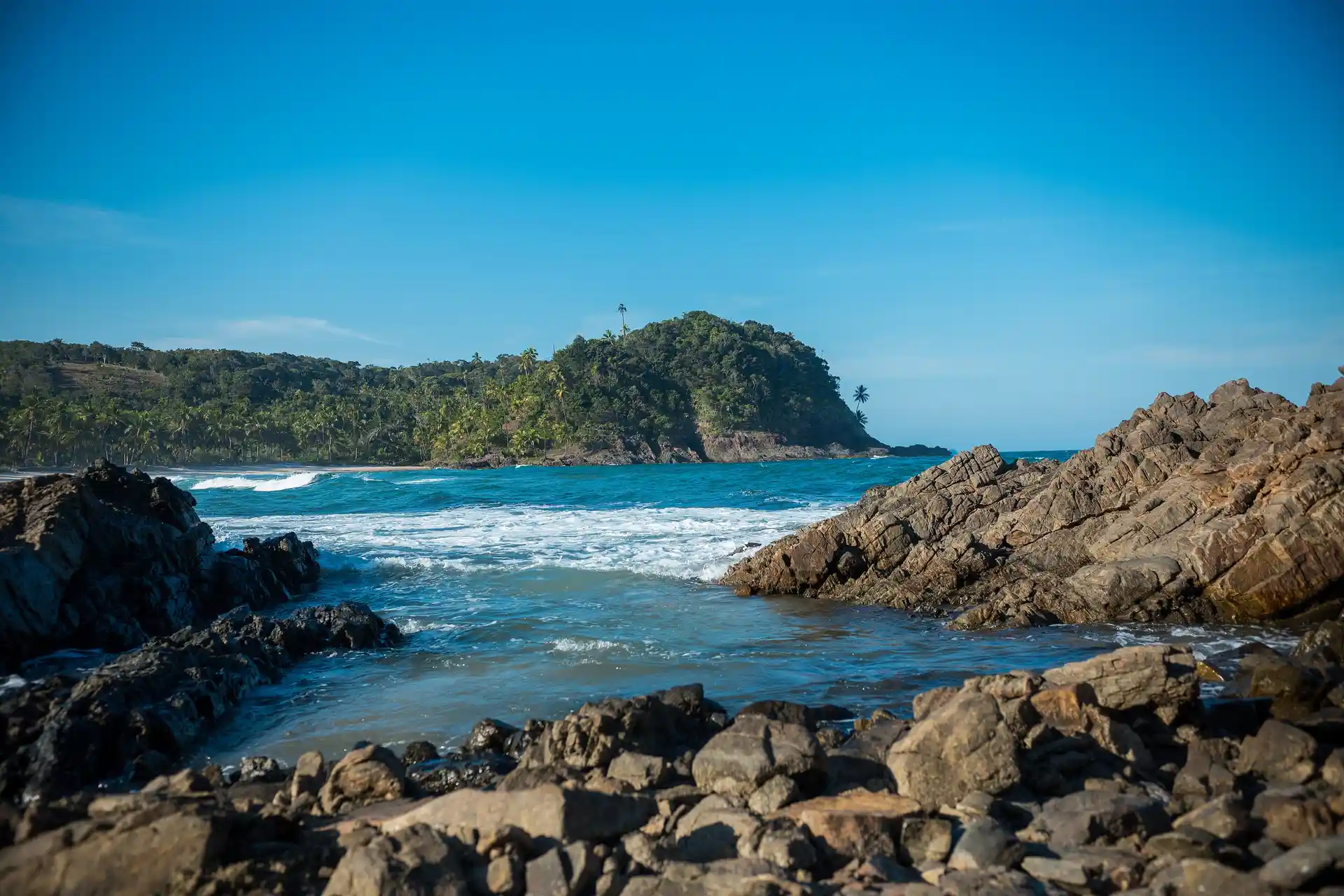
Photo: Márcio Filho/MTur. Day 4
Jeribucaçu or Prainha
Choose by size. Jeribucaçu needs three to four feet and is a winter wave: a short, heavy right, a long left, the channel on the right next to the rocks. It is empty most of the year because of the access.
Prainha is the most coveted wave in the area when it breaks: a hollow left in the left corner with a north-easterly in summer, a heavy, shallow right in the right corner with a southerly in winter. You reach it by half an hour’s walk from Ribeira. Both are for experienced surfers.
-
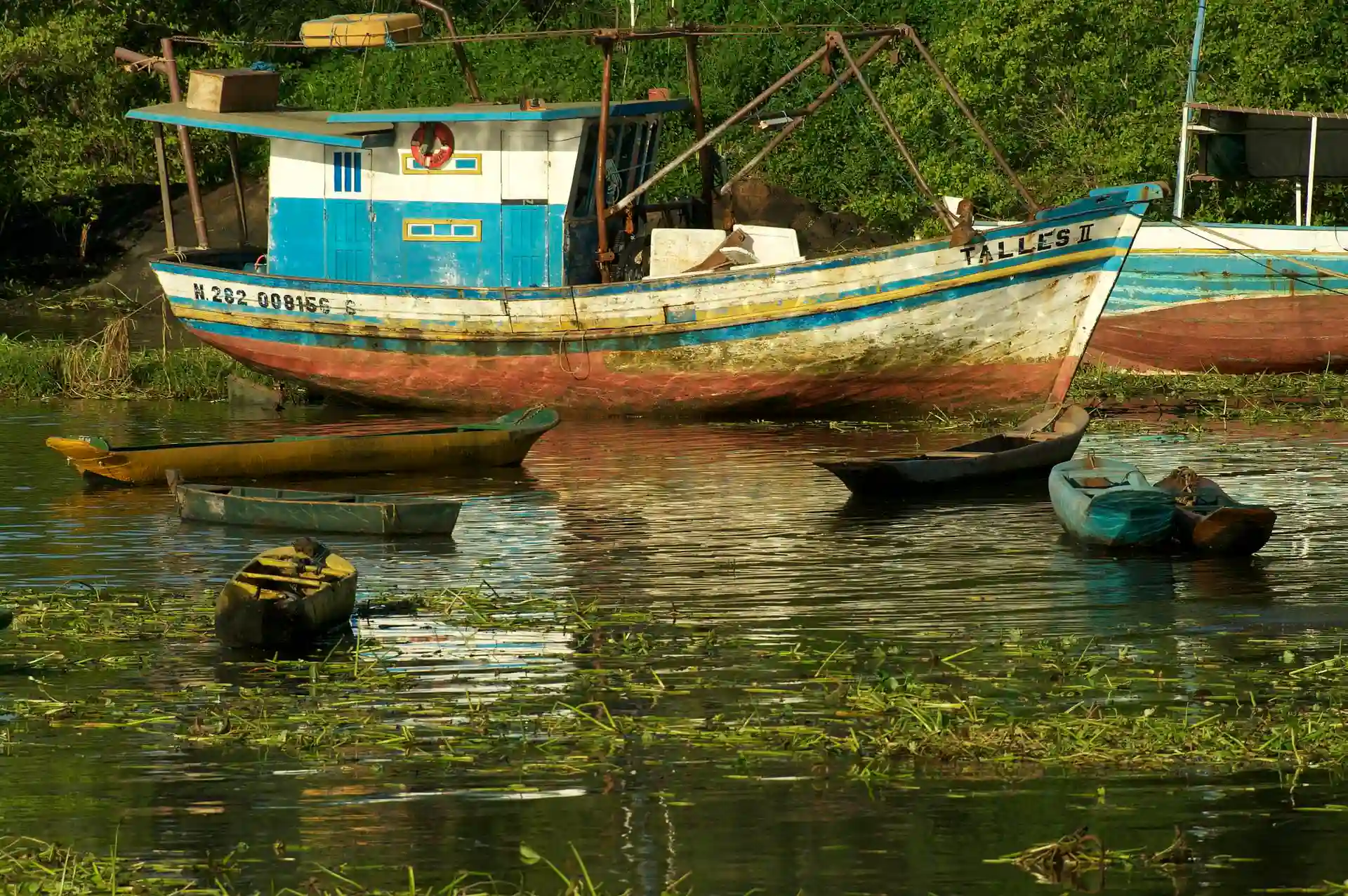
Photo: Otávio Nogueira, CC BY 2.0. Day 5
Boca da Barra, or back to Tiririca
If the south swell has arrived, Pontal and Boca da Barra wake up. Boca da Barra is the river-mouth wave, one of the fullest and longest here, and it depends on the sandbank, which shifts. Pontal throws dry barrels over the shallow inside reefs, with no channel and a strong current: getting out of the water is the hard part.
If it has not arrived, Tiririca early in the morning.
Before you go
The season
May to September, with the east and south-east swells, when the heavier breaks wake up and the village is in its low season. Tiririca breaks almost all year, so no trip here is a total gamble.
From December to February the north-east wind dominates and the swell is irregular. In those months, come for the beach and treat the waves as a bonus.
The eighth break
Corais, just past the headland that shelters Concha, opens barrels both ways over a coral bottom, with a clean, solid east swell at low tide. There is no channel, and the paddle back is all yours.
Boards, repairs and lessons
Itacaré has a board shop on the seafront in the centre, surf schools renting by the day, week or month (some deliver the board to where you are staying) and a repair workshop. The Itacaré Surf Association is at Tiririca and runs the contests. Reception has the contacts.
For a first lesson, Engenhoca and Concha, with a school.
A car
Walking is not an option: from the hotel to the surf beaches is seven minutes by car, with a long climb and a dirt road with no pavement. If you come without a car, arrange the transfer with reception before you arrive.
The beaches, the seasons and how to get here are on What to do in Itacaré.